Storm and Flood Water Cleanup in Fullerton, CA
When an atmospheric river parks over north Orange County, runoff off the Fullerton hills can push water under doors and into garages. The extraction crew treats it as contaminated water from the start.
(888) 563-9619Get Fullerton water extraction started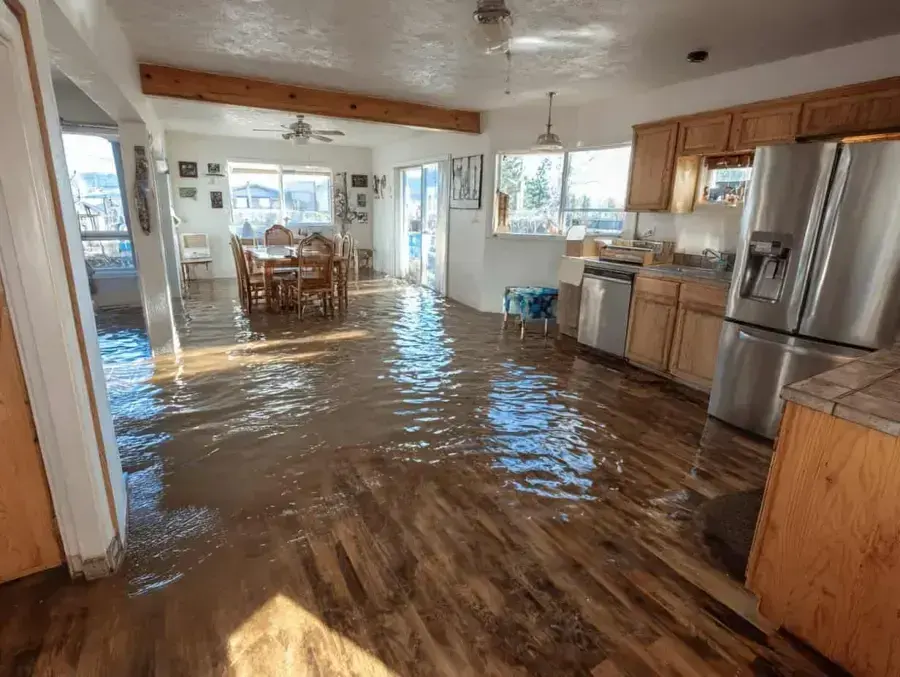
What to do the moment you find storm flooding
- 01Stay out of moving water
Six inches of moving water can knock a person down.
- 02Cut power if safe
Only from a dry spot; otherwise wait for help.
- 03Photograph the water line
Record the height of the water on walls and belongings.
- 04Call before you shovel
Let the crew extract and remove materials safely.
How storm flooding is handled in Fullerton
The order of the work is what separates a finished dry-out from a cosmetic one.
Rapid local response
The Fullerton restoration crew works day and night and moves fast on active water, because the first hours decide how much has to come out.
IICRC S500 drying standard
The drying team maps moisture first, then dries the structure to the S500 goal, not just the surface you can see.
Claim-ready documentation
Photos before any demolition, a moisture map and daily readings go into the file an adjuster reviews.
North Orange County water experts
Galvanized lines, crawlspaces, slab leaks and unit-to-unit apartment leaks are the everyday work in Fullerton.
What does storm and flood water cleanup cost in Fullerton, CA?
In Fullerton, CA, storm and flood water cleanup typically runs $2,000 to $12,000 or more, depending on how many rooms took on water, how high it rose on the walls, and how much carpet, drywall and insulation must be removed.
Want a number for your own loss? The restoration team scopes it on site.
Price the Fullerton job by phoneGarage or one room
- Extraction
- Material removal
- Antimicrobial and drying
Several rooms
- Flood cuts
- Flooring removal
- Daily readings
Whole level
- Crawlspace or full floor
- Containment
- Extended drying
What moves the number: how many rooms took on water, how high it rose, the flooring and wall materials involved, and how fast drying started after the storm.
For a planning range, try the Fullerton water damage cost calculator.
How storm flooding is dried, step by step
- 01
Map the moisture
The tech who does the walkthrough uses thermal imaging and pinless meters to find where the water went, including behind walls and under floors.
- 02
Extract the water
The extraction crew pulls standing water with truck-mounted units so it leaves the building instead of moving to the next room.
- 03
Set the drying
The drying team places air movers for the room's evaporation load and LGR dehumidifiers to pull that moisture out of the air.
- 04
Read, log, verify
Readings are logged daily, and the equipment comes out when wet materials sit within 2 to 4 points of a dry reference.
Fullerton's creeks were tamed long ago. Fullerton Creek and Brea Creek run in concrete flood-control channels, and the Brea Dam and Fullerton Dam, built by the Army Corps of Engineers around the start of World War II, hold back storm flows. Most storm flooding in Fullerton today is local: hillside streets in Sunny Hills, Raymond Hills and the Coyote Hills shed rain fast, storm drains back up, and water finds the lowest door, garage or crawlspace vent.
How storm water gets inside
- Runoff from a hillside lot flowing against the downhill wall
- Street flooding when storm drains clog with leaves
- Water pooling at garage thresholds and sliding doors
- Crawlspace vents that sit at or below the yard grade
- Window wells and below-grade rooms on sloped lots
The National Weather Service Los Angeles office issues flood watches for Orange County, and Ready.gov explains what to do before and after a flood.
Storm water inside the house? Call now for emergency water removal in Fullerton.
Call about Fullerton storm waterWhy outside water is handled differently
Water that flowed across yards, streets and driveways carries soil, fertilizer, oil and bacteria. Under the IICRC S500 standard it is Category 3, the same class as sewage. That changes the job: porous materials it touched, like carpet, pad, the bottom of the drywall and insulation, get removed rather than dried. Hard surfaces are cleaned and treated with an EPA-registered antimicrobial before drying begins.
The extraction crew pumps and extracts the water, then the tech who does the walkthrough maps moisture in the walls and floor. The drying team sets up air movers and LGR dehumidifiers and logs readings daily. For water that came up through a drain instead, see sewage backup cleanup, and for water under a raised floor see crawlspace water damage.
Flood coverage is its own policy
Most homeowner policies exclude rising surface water, which falls under separate flood insurance. Water that came through a roof or a broken pipe during the same storm is often handled differently. The FloodSmart.gov site explains how flood policies work.
Category 3 the moment it enters
Storm runoff is treated as contaminated from the start. Carpet, pad and wet drywall it touched come out; hard surfaces are cleaned and treated, then dried to the goal.
Storm and Flood Water Cleanup across Fullerton
The Fullerton restoration crew covers every Fullerton ZIP code and the neighboring north Orange County cities, day or night.
The restoration team works across Fullerton, from Downtown and SOCO to Sunny Hills, Raymond Hills, Amerige Heights and the Cal State Fullerton area.
Coverage also reaches Anaheim, Placentia, Brea, Buena Park, La Habra, Yorba Linda and La Mirada.
See every neighborhood and ZIP codeRelated water damage services in Fullerton
Storm and Flood Water Cleanup questions in Fullerton, answered
Is storm water really as dirty as sewage?
It is classed the same, Category 3, because it can carry bacteria, chemicals and soil. Porous materials it touched are removed, not dried.
Can carpet be saved after storm flooding?
Usually not. Carpet and pad touched by outside flood water are removed under the Category 3 protocol.
Does homeowners insurance cover storm flooding?
Rising surface water is usually excluded and covered by separate flood insurance, while roof or pipe leaks during a storm may be treated differently. Coverage depends on your policy, so it is worth checking with your own insurer.
How high do walls need to be cut?
Usually a foot or two above the highest wet reading, not just the visible water line. Meters decide the height.
How can I keep storm water out next time?
Clear gutters and drains before the season, grade soil away from the foundation, and seal or raise low crawlspace vents and door thresholds.
How long does storm damage take to dry?
Four to seven days is typical after removal, longer if the water reached a crawlspace or sat for several days.
Storm and Flood Water Cleanup in Fullerton? Call now.
Every hour water sits, it moves further into drywall, flooring and framing. The Fullerton restoration crew extracts it, dries the structure to the IICRC S500 standard and documents the loss for the claim.