Sewage Backup Cleanup in Fullerton, CA
Sewage from a floor drain, a toilet or a tub is Category 3 water the moment it appears. The restoration team contains the area, removes what the water touched and cleans and dries the structure safely.
(888) 563-9619Call now for Fullerton emergency water removal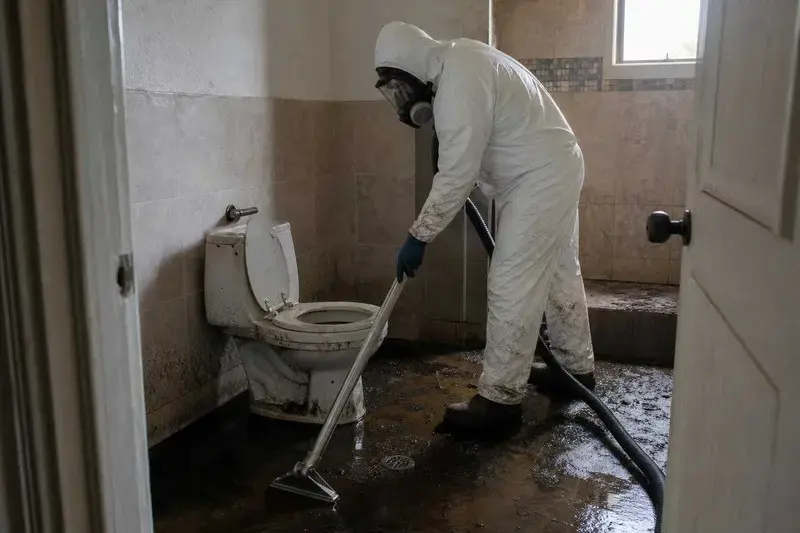
What to do the moment you find a sewage backup
- 01Stop using water
Do not flush, run the washer or use sinks until the line is cleared.
- 02Keep everyone out
Close off the room and keep children and pets away.
- 03Turn off HVAC if affected
Keep contaminated air from moving through the ducts.
- 04Call a plumber and the restoration team
One clears the line, the other cleans and dries.
How a sewage backup is handled in Fullerton
The order of the work is what separates a finished dry-out from a cosmetic one.
Rapid local response
The Fullerton restoration crew works day and night and moves fast on active water, because the first hours decide how much has to come out.
IICRC S500 drying standard
The drying team maps moisture first, then dries the structure to the S500 goal, not just the surface you can see.
Claim-ready documentation
Photos before any demolition, a moisture map and daily readings go into the file an adjuster reviews.
North Orange County water experts
Galvanized lines, crawlspaces, slab leaks and unit-to-unit apartment leaks are the everyday work in Fullerton.
What does sewage backup cleanup cost in Fullerton, CA?
In Fullerton, CA, sewage backup cleanup typically runs $1,500 to $10,000 or more, not counting the sewer line repair, depending on how much area the sewage reached, how much material must be removed, and whether it reached a crawlspace.
Want a number for your own loss? The restoration team scopes it on site.
Price the Fullerton job by phoneSmall backup
- One bathroom or laundry
- Containment and PPE
- Antimicrobial treatment
Several rooms
- Carpet and drywall removal
- HEPA air scrubbers
- Structural drying
Large or under floor
- Crawlspace or full level
- Soil and framing treatment
- Extended drying
What moves the number: how far the sewage spread, the flooring and wall materials that must be removed, whether it reached a crawlspace or ducts, and how fast cleanup started.
For a planning range, try the Fullerton water damage cost calculator.
How a sewage backup is dried, step by step
- 01
Map the moisture
The tech who does the walkthrough uses thermal imaging and pinless meters to find where the water went, including behind walls and under floors.
- 02
Extract the water
The extraction crew pulls standing water with truck-mounted units so it leaves the building instead of moving to the next room.
- 03
Set the drying
The drying team places air movers for the room's evaporation load and LGR dehumidifiers to pull that moisture out of the air.
- 04
Read, log, verify
Readings are logged daily, and the equipment comes out when wet materials sit within 2 to 4 points of a dry reference.
Fullerton is full of mature street trees, and many older homes still drain through clay or cast iron sewer laterals laid decades ago. Roots find the joints, crack the pipe and build a plug. The first sign is often a gurgling toilet or water coming up in the lowest shower or floor drain, usually when the washer drains or during a heavy rain.
Common sewage backup sources here
- Tree roots in clay or cast iron laterals in older neighborhoods near downtown and Golden Hill
- Grease buildup from kitchens, a common issue for SOCO and downtown restaurants
- Shared drain stacks backing up into the lowest units of apartment buildings
- Wipes and debris blocking a lateral
- Storm water entering the sewer system during heavy rain
A plumber clears or repairs the line, often with a camera inspection to see the root damage. The EPA sanitary sewer overflow page explains why sewage is treated as a health hazard.
Sewage coming up through a drain? Keep everyone out of the room and call for sewage backup cleanup.
Call about a Fullerton sewage backupThe Category 3 protocol
Sewage backup is Category 3 the moment it happens, whether it is a small puddle or a flooded hallway. The crew wears PPE, at minimum gloves, boots, eye protection and a respirator, and sets up containment with plastic sheeting and HEPA air scrubbers so contaminated air does not move through the house.
- Standing sewage is extracted and disposed of properly
- Porous materials the water touched, including carpet, pad, drywall and insulation, are removed, not dried
- Hard surfaces are cleaned, then treated with an EPA-registered antimicrobial left for its full dwell time
- Only then does structural drying start, with daily readings to the drying goal
If the sewage reached the space under a raised floor, the soil and framing there get the same treatment; see crawlspace water damage. Outside flood water follows the same protocol; see storm and flood water cleanup.
Keep people and pets out
Children, older adults and anyone with a weakened immune system should stay out of affected areas until cleanup is complete. Do not run the HVAC system if sewage reached ducts or returns. The OSHA flood cleanup page lists the protective gear used on contaminated water jobs.
Removed, not dried
Porous materials touched by Category 3 water get removed, not dried. Drying alone does not make sewage-soaked carpet or drywall safe.
Sewage Backup Cleanup across Fullerton
The Fullerton restoration crew covers every Fullerton ZIP code and the neighboring north Orange County cities, day or night.
The restoration team works across Fullerton, from Downtown and SOCO to Sunny Hills, Raymond Hills, Amerige Heights and the Cal State Fullerton area.
Coverage also reaches Anaheim, Placentia, Brea, Buena Park, La Habra, Yorba Linda and La Mirada.
See every neighborhood and ZIP codeRelated water damage services in Fullerton
Sewage Backup Cleanup questions in Fullerton, answered
Is a small sewage backup still dangerous?
Yes. Sewage is Category 3 water at any size and can carry bacteria and viruses. Keep people and pets away and let a protected crew clean it.
Can carpet be cleaned after a sewage backup?
No. Carpet and pad touched by sewage are removed and disposed of, not cleaned and kept.
What causes sewer backups in Fullerton?
Tree roots in older clay and cast iron laterals, grease, wipes and heavy rain entering the system are the most common causes.
Who fixes the sewer line?
A plumber clears or repairs the line, often after a camera inspection. The restoration team handles cleanup, removal and drying inside.
Is sewage backup covered by insurance?
Many policies need a specific sewer or water backup endorsement. Coverage depends on your policy, so it is worth checking with your own insurer.
How long does sewage cleanup take?
Removal and cleaning often take a day or two, then drying runs four to seven days until the readings meet the goal.
Sewage Backup Cleanup in Fullerton? Call now.
Every hour water sits, it moves further into drywall, flooring and framing. The Fullerton restoration crew extracts it, dries the structure to the IICRC S500 standard and documents the loss for the claim.